




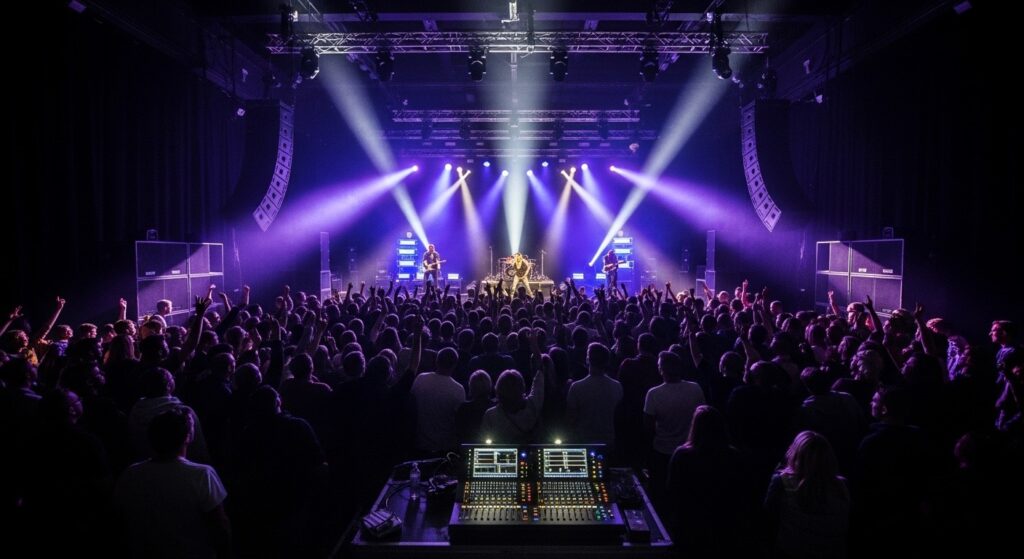
The identity of a city is rarely defined solely by its architecture, municipal layout, or corporate headquarters. Instead, a city inherits its true character from its cultural heartbeat, which vibrates loudest within its grassroots arts and entertainment sectors. Among these spaces, local live music venues play an indispensable role. From small dive bars with improvised stages to historic, mid-sized theaters, these establishments serve as more than locations for evening entertainment. They are critical incubators for creative talent, primary drivers of neighborhood economic growth, and essential sanctuaries for community gathering.
When a city loses its music venues, it does not just lose physical square footage. It loses a portion of its heritage, its social cohesion, and its economic resilience. Understanding why these spaces are vital to urban culture requires examining their multi-layered impact on musicians, communities, local economies, and the long-term preservation of distinct civic identities.
The Incubators of Artistic Development and Innovation
Every legendary musical act started somewhere, and that somewhere was almost certainly a small, local music venue. These spaces serve as the primary laboratories for musical experimentation and career development. Without them, the pipeline for new artistic talent dries up entirely.
Safe Spaces for Creative Risk
Major stadiums and massive festival stages are highly commercialized environments where the financial stakes are too high to allow for artistic vulnerability. On those stages, performers must deliver polished, reliable hits to satisfy corporate sponsors and high-ticket buyers. Local venues, by contrast, offer emerging artists the freedom to fail, learn, and iterate.
In a small room, an independent band can debut unreleased material, experiment with genre-bending sounds, and figure out how to command an audience. This raw, unpolished interaction is where authentic artistic growth occurs. The feedback loop between the performer and a small, attentive crowd provides immediate data that no social media metric or streaming algorithm can replicate.
Career Infrastructure for Independent Musicians
Local venues form the foundational bedrock of a musician’s career infrastructure. They provide local artists with their first paid opportunities, helping them transition from hobbyists to professionals. Additionally, these spaces allow artists to develop essential industry networks. On any given night at a local venue, musicians connect with other bands, sound engineers, lighting technicians, and independent promoters. These organic interactions form the subcultures that eventually define a city’s distinct sound, much like grunge defined Seattle or go-go defined Washington, D.C.
Economic Catalyst for Urban Ecosystems
The cultural value of a music venue is directly mirrored by its economic utility. While a venue operates as an artistic hub by night, it functions as a financial anchor for its surrounding neighborhood around the clock.
The Nighttime Economy Multiplier
The financial footprint of a concert extends far beyond the venue’s front door. Independent music spaces generate a powerful multiplier effect within the local economy. When a person buys a ticket to a show at a neighborhood venue, their spending ripples through several surrounding businesses.
-
Dining and Hospitality: Concertgoers frequently visit local restaurants, diners, and bars for meals and drinks before or after a performance.
-
Transportation: Venues drive consistent evening demand for public transit systems, ride-sharing drivers, and local parking facilities.
-
Retail and Lodging: Out-of-town visitors traveling to see specific acts spend money at boutique hotels and retail shops within the district.
This collective economic activity turns entertainment districts into highly desirable commercial zones, which in turn raises property values and attracts further investment into urban neighborhoods.
Job Creation Beyond the Stage
A thriving music venue is a major source of diverse employment. Operating these spaces requires a complex network of professionals working behind the scenes. Venues create consistent jobs for audio engineers, lighting directors, stagehands, security personnel, bartenders, box office staff, and cleaning crews. Furthermore, they support external creative professions by hiring local graphic designers for show posters, independent publicists for marketing, and local printers for merchandise production.
Architectural Preservation and Neighborhood Identity
Many local music venues occupy older buildings that might otherwise face demolition or neglect. By repurposing historic structures, venues preserve the tangible, architectural history of a city while infusing it with modern relevance.
Giving Old Spaces New Purpose
Across the United States, historic banks, abandoned factories, old movie palaces, and retrofitted warehouses have found second lives as music venues. This adaptive reuse preserves the architectural fabric of a city’s past. A historic building transformed into a music space keeps the physical narrative of a neighborhood intact, preventing downtown districts from becoming monotonous corridors of generic glass-and-steel high-rises.
Anchors of Stability in Changing Neighborhoods
As cities undergo rapid gentrification and urban redevelopment, neighborhoods can easily lose their original character. Local music venues act as anchors of stability during these transitions. They preserve the social history of the area and ensure that long-term residents still have a place that feels familiar and welcoming. The presence of a historic venue provides a continuous cultural thread that links a neighborhood’s past to its evolving future.
Fostering Social Connection and Inclusivity
In an increasingly digitized world where human interactions are frequently mediated through screens, physical spaces that foster genuine human connection are becoming rare. Live music venues are uniquely equipped to bridge social divides and build strong communities.
The Power of Shared Physical Experiences
Attending a live performance is a visceral, collective experience. Inside a venue, people from entirely different socioeconomic backgrounds, generations, and political belief systems stand shoulder to shoulder, united by a shared appreciation for a specific sound. This collective experience creates a form of social cohesion that few other urban spaces can achieve. For a few hours, the barriers that typically separate city dwellers fall away, replaced by a shared emotional resonance.
Sanctuaries for Marginalized Communities
Historically, music venues have served as safe spaces and sanctuaries for marginalized groups. Subcultures centered around punk, hip-hop, electronic dance music, and queer nightlife found their footing in small, independent venues. These spaces allow individuals to express their identities freely, discover chosen families, and organize social movements. By providing a platform for diverse voices, local venues directly enrich the democratic and cultural pluralism of the city.
Retaining and Attracting Creative Class Talent
A city’s economic competitiveness is heavily tied to its ability to attract and retain skilled workforce talent. Modern workers, particularly those in creative, technological, and professional fields, prioritize quality of life and cultural density when choosing where to live.
The Cultural Magnet Effect
A vibrant nightlife and live music scene make a city an appealing place to build a life. Young professionals, innovators, and entrepreneurs look for urban areas that offer rich experiences outside of working hours. A city packed with independent music venues signals that the local culture is dynamic, open-minded, and progressive.
Preventing Talent Drain
Conversely, cities that neglect their music ecosystems often suffer from talent drain. When local venues close due to rising rents, restrictive noise ordinances, or lack of institutional support, musicians and artists migrate to more supportive environments. When the artists leave, the cultural vitality of the city diminishes, making the area less attractive to broader industries and investments. Protecting venues is fundamentally an investment in keeping a city globally competitive and culturally relevant.
Frequently Asked Questions
How do local music venues differ from large arenas in their cultural impact?
Local music venues act as grassroots hubs where culture is actively created, tested, and nurtured. They give underground movements a physical home and allow independent artists to build a sustainable career from the ground up. Large arenas, while economically significant, are primarily consumption spaces designed for established, commercialized talent rather than cultural experimentation.
What are the primary threats causing the closure of independent venues today?
Independent venues face intense pressure from real estate speculation, escalating commercial rents, corporate consolidation of the ticketing and promotion industries, and aggressive gentrification. Additionally, venues are highly vulnerable to hyper-localized challenges, such as neighborhood noise complaints stemming from new residential developments built near historic entertainment districts.
Can digital streaming platforms replace the role of physical music venues?
No, digital platforms cannot replicate the physical, social, and economic benefits of a venue. While streaming allows for easy discovery of recorded music, it cannot replicate the community building, shared sensory experience, or local economic multiplier effect of a live show. Furthermore, streaming algorithms often favor established acts, whereas local venues actively discover and elevate hyper-local talent.
What is the relationship between music venues and local tourism?
Venues are powerful drivers of cultural tourism. Music enthusiasts frequently travel across state lines or cities to see specific independent artists or experience historic venues known for superb acoustics and unique vibes. This influx of visitors brings outside capital directly into the city’s hospitality, dining, and transit networks.
How do zoning laws and noise ordinances affect the survival of urban music spaces?
Zoning laws determine where venues can legally operate, while noise ordinances regulate their performance hours and sound output. When cities zone residential areas directly adjacent to existing entertainment zones without requiring developers to install proper soundproofing, venues often face crippling legal battles and fines over noise complaints, which can ultimately force them out of business.
In what ways do music venues contribute to the mental health of city residents?
Venues serve as vital community centers that reduce social isolation by encouraging real-world interaction and community integration. The act of engaging with live music releases endorphins, reduces stress, and provides an emotional release, while the shared environment fulfills a fundamental human need for belonging and collective joy.
