




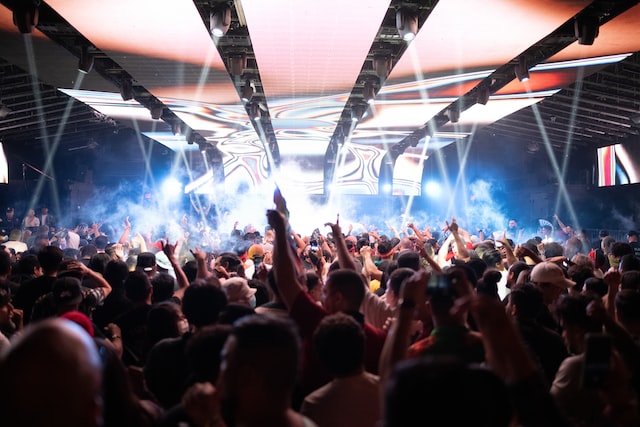
Nightlife offers a dynamic space for socialization, music, and self-expression. However, the high-energy, crowded environments typical of clubs and music venues present unique safety challenges. Navigating these spaces securely requires a balance of proactive preparation, situational awareness, and collective responsibility. By implementing strategic safety measures before, during, and after a night out, you can mitigate risks while fully enjoying the nightlife experience.
Pre-Night Out Preparation and Logistics
Safety begins long before you arrive at the venue. Spontaneous decisions can lead to logistical failures, leaving individuals isolated or vulnerable. Establishing a clear plan with your group creates a reliable safety net.
First, establish a group agreement regarding the timeline of the night. Decide on an approximate arrival and departure time, and agree that the group will leave together. Peer pressure or sudden changes in plans can fragment a group, so reinforcing the pact to stick together is essential.
Prepare your smartphone for emergency utility. Ensure your device is fully charged before leaving home. Consider carrying a compact, fully charged portable power bank, as cold temperatures, high flashlight usage, or poor cellular reception inside venues can deplete batteries rapidly. Set up location-sharing features with your group members through native smartphone applications. Configure your medical ID and emergency contact shortcuts so that first responders can access vital information from your lock screen if necessary.
Financial redundancy is another critical component of preparation. Keep a backup form of payment, such as a physical credit card or a stash of emergency cash, separated from your primary wallet or phone case. If your phone is lost or stolen, digital wallets will be inaccessible, making an independent financial backup a vital tool for securing a safe ride home.
Navigating Transit Securely
Getting to and from the venue safely requires deliberate choices, especially during late-night hours when public transit options shrink and impaired driving risks increase on roads.
When utilizing rideshare services, strict verification protocols must be followed to avoid entering the wrong vehicle. Before approaching the car, verify that the license plate, vehicle make and model, and the driver’s name match the information displayed on your application. Always ask the driver who they are picking up rather than offering your name first. Whenever possible, ride in the back seat to maintain a safe physical distance from the driver and to ensure access to two doors for exit opportunities. Use the application feature that allows you to share your trip progress in real time with a friend who is not out with you.
If you choose to drive, park in well-lit, high-traffic areas or attended parking garages. Avoid parking in isolated side streets. Before exiting the vehicle, lock all valuables in the trunk or completely out of sight to deter break-ins. When returning to your car at the end of the night, have your keys in hand before reaching the vehicle, scan the surrounding area for any unusual activity, and lock the doors immediately upon entering.
Venue Situational Awareness
Upon arriving at the club, take a few moments to assess the physical environment. Venues can become dark, smoke-filled, and disorienting during an emergency, making early observation a crucial asset.
Locate the primary exits immediately upon entry, and actively look for secondary emergency exits. The main entrance is often the most congested pathway during an evacuation, so knowing alternative routes through side doors or service corridors can save critical time.
Identify the location of the venue staff, medical personnel, and security guards. Knowing where security stations are positioned allows you to quickly report aggressive behavior, harassment, or medical emergencies. If a venue has a dedicated medical tent or first-aid room, take note of its location.
Establish a physical meeting spot inside the venue in case your group becomes separated. Pick a highly visible, permanent structure that is easy to find even in low lighting, such as a specific pillar, a merchandise booth, or a distinct structural feature away from the main dance floor. Relying purely on cellular networks to find separated friends can fail due to network congestion or loud volumes blocking ringtones.
Safeguarding Drinks and Managing Substances
Substance safety is one of the most critical aspects of nightlife security. The crowded and fast-paced nature of clubs makes it easier for bad actors to operate unnoticed.
Never leave your beverage unattended. If you must go to the restroom or the dance floor, finish your drink or discard it. When purchasing a drink, watch the bartender pour or open it, and accept beverages only directly from the staff. Carry your drink in a way that covers the opening, such as placing your hand over the top of the glass or cup, to prevent anyone from dropping substances into it.
Be aware of the physical signs of drink spiking. Symptoms can appear rapidly, often within fifteen to thirty minutes, and may include sudden confusion, severe dizziness, loss of motor control, nausea, slurred speech, or a level of intoxication that feels completely disproportionate to the amount of alcohol consumed. If you or a friend begin to experience these symptoms, seek immediate assistance from venue security or medical staff. Do not attempt to leave the venue alone or with a stranger if you feel compromised.
Managing Social Dynamics and Conflict
Clubs bring together diverse crowds in confined spaces, which can occasionally lead to friction or volatile situations. Managing your interactions carefully can prevent minor misunderstandings from escalating.
If you encounter an aggressive or highly intoxicated individual, avoid making prolonged eye contact, trading insults, or engaging in physical posturing. The most effective strategy is to de-escalate by creating physical distance. Move to a different section of the club or position yourself near security personnel. If someone persists in harassing you or your group, report the behavior to a bouncer immediately rather than trying to handle the situation yourself.
Look out for your friends throughout the night. If a group member is being engaged by someone who seems overly aggressive or predatory, use a polite intervention strategy to remove your friend from the situation. You can use an excuse like needing to go to the restroom together or wanting to grab water to break up the interaction smoothly without triggering hostility.
Digital and Financial Security Inside the Club
Crowded venues are prime targets for pickpockets and digital thieves. Protecting your personal data and physical belongings requires continuous mindfulness.
Keep your phone and wallet in secure, front-facing pockets or inside zippered bags that are worn across the front of your body. Avoid placing items in back pockets or loose jackets that can be easily accessed by someone standing behind you in a tight crowd. Professional pickpockets often work in teams, creating deliberate bumps or distractions on the dance floor to snatch valuables.
Be cautious when using your phone in public view. Avoid typing passwords, pin codes, or financial details where someone can look over your shoulder. Turn off automated wireless sharing features like public Wi-Fi auto-join or open Bluetooth connections when they are not in use to reduce the risk of unauthorized data access.
Handling Medical Emergencies
If someone in your group or immediate vicinity experiences a medical crisis, quick and decisive action is imperative. Alcohol poisoning, drug overdoses, or severe dehydration require professional medical attention.
If a person becomes unresponsive, faints, or experiences seizures, do not leave them alone. Position them on their side in the recovery position if they are unconscious to keep their airway clear. Immediately dispatch a member of your group to fetch the nearest security guard or venue medic. Be completely honest with medical personnel about what substances the individual may have consumed. Medical staff are focused exclusively on patient health and saving lives, not legal repercussions, and accurate information is vital for proper treatment.
Frequently Asked Questions
What should I do if my identification card or wallet is lost or stolen while I am inside a club?
Immediately inform the venue staff and check with the main bar or lost-and-found station, as items are often turned in by patrons. If the wallet is confirmed stolen, use your smartphone to instantly freeze all linked debit and credit cards through your banking applications to prevent fraudulent transactions. File a police report online or at the nearest precinct the following morning, as this documentation is necessary to protect against identity theft and will be required when applying for replacement identification.
How can I safely protect my hearing during loud club events without ruining the music experience?
Invest in high-fidelity, reusable musicians earplugs rather than standard foam versions. High-fidelity earplugs utilize acoustic filters that reduce the overall volume evenly across frequencies, keeping the music clear and vocal conversations intelligible while lowering the sound to a safe decibel level. Wear them continuously on the dance floor, and take periodic breaks in quieter areas of the venue, such as an outdoor patio, to give your ears time to rest.
What are the best clothing and footwear choices to maximize physical safety at a crowded venue?
Prioritize closed-toe shoes with good traction to protect your feet from broken glass, spilled liquids, and heavy foot traffic. Avoid loose jewelry or long scarves that can easily get caught in crowds or used to pull you down. Opt for outfits with secure, zippered or buttoned internal pockets to store valuables closely against your body rather than relying on external bags that can be sliced or snatched.
How do I handle a situation where a friend insists on leaving the club with someone they just met?
Conduct a quick, private check-in with your friend away from the new acquaintance to evaluate their sobriety and comfort level. Remind them of the original group agreement to leave together. If they still choose to leave, ensure you get the full name and phone number of the person they are leaving with, take a photo of the vehicle license plate if they are driving, and establish a mandatory text check-in schedule for when they arrive at their destination.
Are there specific mobile applications designed to enhance personal safety during a night out?
Yes, several safety applications offer specialized features for nightlife settings. Applications like Noonlight allow you to hold a button if you feel unsafe and release it to enter a pin code, triggering emergency services if the code is not entered. Other apps like bSafe offer features such as timed fake calls to help you exit uncomfortable situations, voice-activated emergency recording, and live location streaming to selected emergency contacts.
What steps should I take if venue security guards are the ones causing me to feel unsafe or uncomfortable?
Avoid direct confrontation or physical resistance, as security personnel have significant authority within the venue. Move away from the individual guard and look for a shift supervisor, venue manager, or a different staff member at the main box office to report the behavior. Document the guard’s physical appearance, name tag, or uniform number, and take note of the exact time and location of the incident so you can submit a formal written complaint or legal report later.
