




Muckles Entertainment - Memorable Event Entertainment - Select the Best > Blog > Entertainment > What Makes a Multimedia Show Worth Your Time?
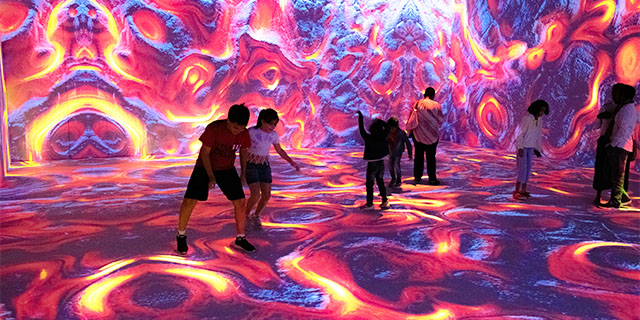
A room filled with moving images can look impressive in a short video, yet reveal little about what a visitor actually experiences. When choosing an immersive experience, look for a clear description of the story, format and running time. These details help you judge whether the event will hold your attention after the first visual surprise has passed.
Understand How You Will Take Part
The word immersive covers very different formats. You might sit beneath large projections, walk through a sequence of rooms, wear a headset or interact with performers. Each asks something different of the visitor, so establish whether you will mainly watch, move or participate before comparing prices.
A seated presentation can suit someone who wants a defined activity with a clear beginning and end. A walk-through installation gives more freedom to pause, although queues or timed entry may still shape the visit. Participation can add interest, but it becomes less appealing if you discover only on arrival that audience involvement is expected.
Check the duration of the main experience separately from the total time suggested for a visit. A ticket described as covering several hours may include waiting, refreshments or access to other areas. Knowing how long the central presentation lasts makes comparisons fairer and helps you fit it into the day.
Look for a Story You Can Follow
Visual detail has more value when it helps explain something. For a cultural presentation, look for a stated theme and an account of how the scenes connect. A programme about a sport, tradition or historical period should give a newcomer enough context to understand why particular people, objects or rituals matter.
Language provision can make a substantial difference. Ask whether the story relies on spoken narration, whether subtitles are available and whether translations cover the whole presentation. A description saying that an event is suitable for international visitors does not necessarily mean every explanation will be available in your preferred language.
Recent visitor reviews can help reveal this distinction. Comments explaining what someone understood afterwards are more informative than repeated descriptions of spectacular screens. Look for observations about clarity, pacing and whether there was time to absorb the information, while allowing for differences in personal taste.
Check Sensory and Physical Access in Detail
An attraction can be visually engaging and still be a poor fit for someone who dislikes enclosed spaces, sudden sound or moving imagery. Review the published information on flashing lights, darkness, volume and motion effects. Where a detail matters to you, request a specific answer rather than relying on a broad accessibility label.
Physical access needs the same level of detail. A step-free entrance does not establish whether every room is accessible, whether seating is available throughout or whether a headset can be used comfortably. Ask about the actual route and equipment involved, including whether you can leave a presentation early and where you would go.
For a group, a shared activity needs to suit everyone who is joining. Booking a less intense format may allow everyone to enjoy the experience together. Alternatively, separate plans can work better than expecting someone to tolerate an environment they already know will be difficult.
Decide What Gives the Visit Lasting Value
Before purchasing, separate the core experience from optional photographs, merchandise and other additions. Check whether the ticket covers one entry, repeated access or a combined event, and whether any advertised element operates only at particular times. This helps you pay for the part of the visit you actually value and avoids assuming that every scene in a promotional video is included.
For cultural experiences, UNESCO’s explanation of living heritage offers a useful perspective: traditions matter through the people, knowledge and practices that sustain them. A worthwhile presentation should leave you with some understanding of that human context. Choose the format you can comfortably engage with and a subject you want to understand, then judge the technology by how well it serves that purpose.
Scott Pace